Collaborating Build
Learning intention
We are learning to work with another team to build and code a fix for a problem that is too big for one robot.
We are learning to collaborate with another team to design, build and coordinate two robots solving a shared problem.
Success criteria
- I can team up and decide who builds which part.
- I can join the two Milos so they can carry the plant.
- I can write two programs that move the plant from A to B.
- I can plan a shared build with another team, agreeing on roles and interfaces.
- I can write a program for my robot that synchronises with my partner team's.
- I can present our solution and reflect on how communication affected the outcome.
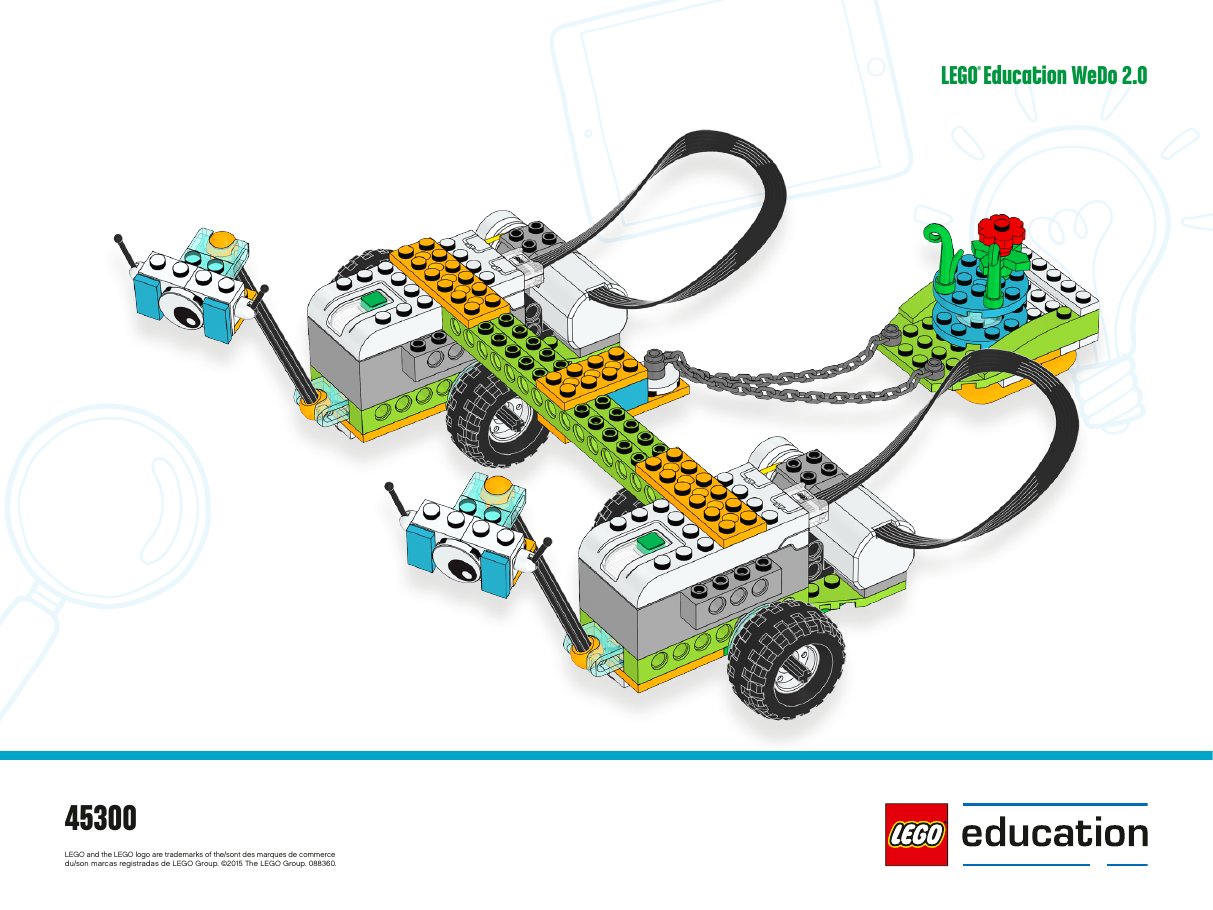
Our mission
Milo found the plant, but it is too heavy for one rover to carry. We'll team up with another group. Together we will build a part that joins the two Milos, then program them to carry the plant to a safe spot.
Learning intention
We are learning to…
…work with another team to build and code a fix for a problem that is too big for one robot.
…collaborate with another team to design, build and coordinate two robots solving a shared problem.
Success criteria
I/we can…
- …team up and decide who builds which part.
- …join the two Milos so they can carry the plant.
- …write two programs that move the plant from A to B.
- …plan a shared build with another team, agreeing on roles and interfaces.
- …write a program for our robot that synchronises with our partner team's.
- …present our solution and reflect on how communication affected the outcome.
Step 1 · Explore
Talk about it: Why is it good to work together to fix a problem? Can you think of a time when two robots (or two people) could do something that one on their own could not?
Lesson: WeDo 2.0 Getting Started — Project D (~15 min). Students pair in teams of two.
Create: both teams build parts of the connecting device, then each team writes a program for their own Milo. One iPad can control up to three Smart Hubs if teams work solo.
Share: each pair demonstrates and documents the hand-off from A → B.
Step 2 · Make it
Build the piece that joins the two Milos. Then each team writes its own program on the Code canvas. This project doesn't have a program you have to follow — you make your own!
Step 3 · Share
Show the hand-off to the class. Think about: how did your teams talk to each other? What went wrong the first time, and how did you fix it?